
Stretching is a simple yet powerful way to enhance your physical health, increase flexibility, and relieve muscle tension. Whether you’re new to exercise or looking to add some gentle movement to your daily routine, stretching at home can be both enjoyable and effective. This beginner’s guide will walk you through the basics of stretching, explain why it’s beneficial, and provide easy stretches you can do anytime without any special equipment.
Why Stretching Matters
Stretching helps lengthen your muscles and improve joint mobility. This can:
– Reduce stiffness and muscle tightness
– Improve your posture and balance
– Increase blood flow and circulation
– Help prevent injuries during physical activity
– Relieve stress and promote relaxation
Incorporating stretching into your daily routine can make everyday activities easier and leave you feeling more comfortable and energized.
When to Stretch
You can stretch at various times throughout the day:
– After waking up: Gentle stretches can help wake up your muscles.
– Before exercise: Dynamic stretches prepare your body for movement.
– After exercise: Static stretching helps relax muscles and improve flexibility.
– During breaks: Stretching during work or study breaks can reduce tension from sitting too long.
Remember, stretching should never be painful. A mild pull or gentle tension is what you’re aiming for.
Types of Stretching
There are two main types of stretches beginners should focus on:
Dynamic Stretching
Dynamic stretches involve moving parts of your body through a range of motion. They are great before workouts or any physical activity. Examples:
– Arm circles
– Leg swings
– Neck rotations
Static Stretching
Static stretches involve holding a stretch position for a period, usually 15-30 seconds. These stretches are perfect for after exercise or during relaxation.
Getting Started: Basic Stretches to Try at Home
Here are some beginner-friendly stretches that target key muscle groups:
1. Neck Stretch
– Sit or stand tall.
– Slowly tilt your head toward your right shoulder.
– Hold for 15-20 seconds.
– Repeat on the left side.
This stretch helps relieve neck tension from long hours of screen time.
2. Shoulder Stretch
– Bring your right arm across your chest.
– Use your left hand to gently press your right arm closer to your chest.
– Hold for 20 seconds.
– Switch arms.
Good for loosening tight shoulder muscles.
3. Cat-Cow Stretch (Spine Mobility)
– Start on all fours (hands under shoulders, knees under hips).
– Inhale, arch your back and lift your head (Cow position).
– Exhale, round your spine and tuck your chin (Cat position).
– Repeat 8-10 times smoothly.
This movement is fantastic for spine flexibility and relaxation.
4. Seated Hamstring Stretch
– Sit on the floor with one leg extended.
– Keep your back straight and slowly reach toward your toes.
– Hold for 20-30 seconds.
– Switch legs.
This targets the back of your thighs and improves lower body flexibility.
5. Quadriceps Stretch
– Stand tall and hold onto a wall or chair for support.
– Bend your right knee and grab your ankle behind you.
– Pull your foot gently toward your buttocks.
– Hold for 20 seconds.
– Switch legs.
This stretch helps your front thigh muscles.
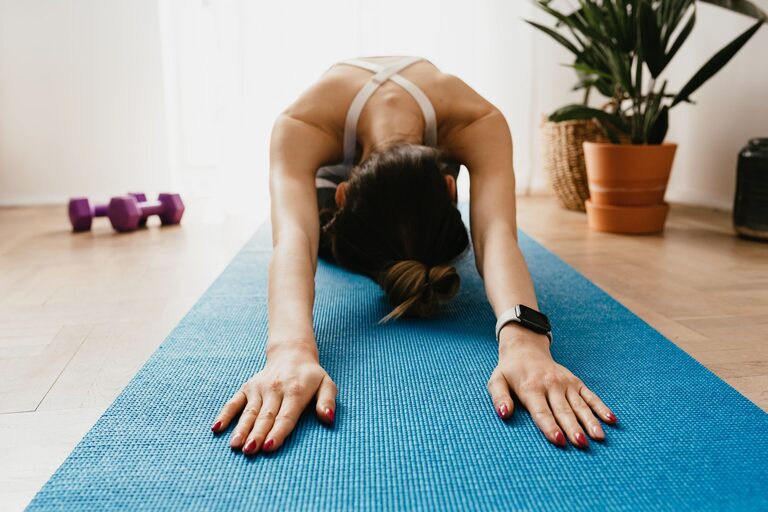
6. Child’s Pose (Relaxation Stretch)
– Kneel on the floor and sit back on your heels.
– Stretch your arms forward and lower your forehead to the floor.
– Hold for 30 seconds to a minute.
This pose relaxes your back and shoulders.
Tips for Safe and Effective Stretching
– Warm up a bit first: Stretching cold muscles may cause injury. Walk or march in place for 3-5 minutes.
– Breathe deeply: Inhale and exhale slowly as you stretch to increase oxygen flow.
– Avoid bouncing: Stretch smoothly without jerking movements.
– Listen to your body: Never stretch to the point of pain.
– Be consistent: Aim to stretch at least 3-4 times per week for noticeable benefits.
Creating a Stretching Routine
You don’t need a long time to stretch effectively. Even 10-15 minutes daily can make a difference. Here’s a sample beginner routine:
- Warm up: March in place for 3 minutes.
- Neck stretches (2 sets per side).
- Shoulder stretches (2 sets per side).
- Cat-Cow stretch (10 reps).
- Seated hamstring stretch (2 sets per leg).
- Quadriceps stretch (2 sets per leg).
- Child’s pose (hold for 1 minute).
- Cool down: Deep breathing for 1-2 minutes.
Feel free to adjust the number of sets and stretches to your comfort level.
Final Thoughts
Stretching is a gentle and accessible way to care for your body at home. Starting with basic stretches and building a routine can improve your flexibility, reduce discomfort, and support overall physical health. Remember, the key is consistency and listening to your body. Enjoy the process, and make stretching a relaxing part of your day!
If you want to learn more about exercise or healthy living tips, stay tuned for more guides and advice here on the blog. Happy stretching!