
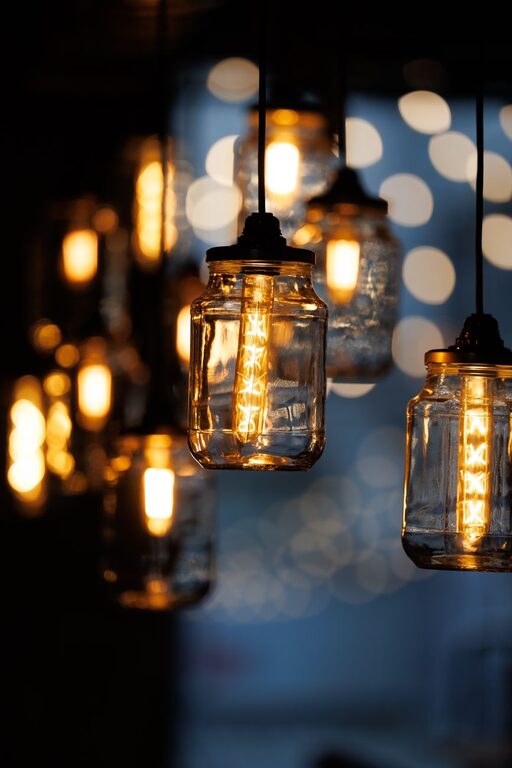
Creating a comfortable home environment starts with the right lighting. Proper lighting not only brightens your space but also influences your mood, productivity, and overall well-being. Choosing the right lighting can feel overwhelming with so many options available. This guide will help you navigate the essentials of comfortable home lighting to enhance your living space.
Why Comfortable Lighting Matters
Lighting affects how we perceive and interact with our environment. Harsh or dim lighting can cause eye strain, headaches, or discomfort, while well-chosen lighting can make a room feel warm, welcoming, and functional. Comfortable lighting balances brightness, color, and placement to suit the room’s purpose and your personal preferences.
Understand Different Types of Lighting
Before selecting fixtures, it’s helpful to understand the three main types of lighting used in homes:
1. Ambient Lighting
This is the general illumination that fills the entire room. It provides overall brightness so you can move comfortably around the space. Examples include ceiling-mounted lights, chandeliers, or recessed lighting.
2. Task Lighting
Task lighting focuses on specific areas where activities like reading, cooking, or working take place. Desk lamps, under-cabinet kitchen lights, and vanity lights fall under this category.
3. Accent Lighting
Accent lighting highlights particular features such as artwork, plants, or architectural details. It adds depth and visual interest to a room. Wall sconces, track lighting, and spotlights are common types.
Balancing these three types creates a layered effect that enhances comfort and usability.
Tips for Choosing the Right Lighting
Consider the Purpose of Each Room
The lighting needs of a kitchen differ greatly from those of a bedroom or living room.
– Kitchen: Bright task lighting is important for food preparation, combined with ambient lighting for overall visibility.
– Living Room: A mix of ambient and accent lighting creates a cozy atmosphere, with adjustable options for watching TV or reading.
– Bedroom: Soft, warm ambient lighting helps relaxation, alongside task lighting for reading or dressing.
Choose the Right Color Temperature
Color temperature is measured in Kelvins (K) and affects the mood of a room:
– Warm light (2700K–3000K): Creates a cozy, inviting feel ideal for bedrooms and living rooms.
– Neutral light (3500K–4100K): Works well in kitchens and bathrooms for a balanced appearance.
– Cool light (5000K–6500K): Mimics daylight, useful for task areas where clarity is important.
Generally, warmer tones are preferred for comfort and relaxation.
Pay Attention to Brightness and Dimmers
Brightness is measured in lumens. When selecting bulbs or fixtures, consider the amount of light needed:
– For ambient lighting, aim for moderate lumens to avoid glare.
– Task lighting should be brighter and focused.
– Installing dimmer switches gives you control to adjust lighting levels based on time of day or activity, enhancing comfort and energy savings.
Select Fixtures That Diffuse Light Softly
Fixtures with lampshades or diffusers spread light evenly and reduce harsh shadows or glare. Materials like frosted glass or fabric shades help create a gentle glow.
Use Layered Lighting for Flexibility
Combining ambient, task, and accent lighting allows you to customize your space for different moods and needs. For example, you might use overhead ambient lighting with table lamps for reading and wall sconces to highlight artwork.
Evaluate Energy Efficiency
Choosing LED bulbs can reduce energy consumption and heat output, making your lighting more comfortable and eco-friendly. LEDs also come in a variety of color temperatures and brightness levels to suit any room.
Practical Lighting Examples for Each Room
Living Room
– Install a central ceiling light with a dimmer.
– Add table lamps near seating areas.
– Use accent lights to highlight a bookshelf or artwork.
Kitchen
– Bright, even LED ceiling lights for ambient illumination.
– Under-cabinet lights to brighten countertop workspaces.
– Pendant lights over an island or dining nook.
Bedroom
– Warm, soft ceiling fixtures or wall sconces.
– Bedside lamps with adjustable brightness.
– Consider smart bulbs to change color and intensity throughout the day.
Bathroom
– Bright, shadow-free lighting around the mirror.
– Moisture-resistant fixtures.
– Ambient light for overall brightness, supplemented by task lighting.
Final Tips for Comfortable Home Lighting
– Test lighting at different times of day to ensure it works with natural light.
– Avoid overly bright or flickering lights.
– Consider the color of your walls and furniture, as they affect how light reflects.
– Replace old bulbs or fixtures that create discomfort or uneven lighting.
By thoughtfully choosing your home lighting, you can create a comfortable, inviting atmosphere that supports your daily activities and enhances your living space. Remember, comfortable lighting is not just about brightness—it’s about balance, warmth, and flexibility.
—
Lighting sets the tone for your home. Use these tips to make informed choices that brighten your life in the most comfortable way possible.